Mercy and Salvation
Mercy and Salvation: grace, conversion, and final perseverance.
Gate of Conversion
41 published entries
The gate of healing and judgment: repentance, grace, mercy, and the hope of perseverance.
Published entries are listed below in reading order.
Restoration
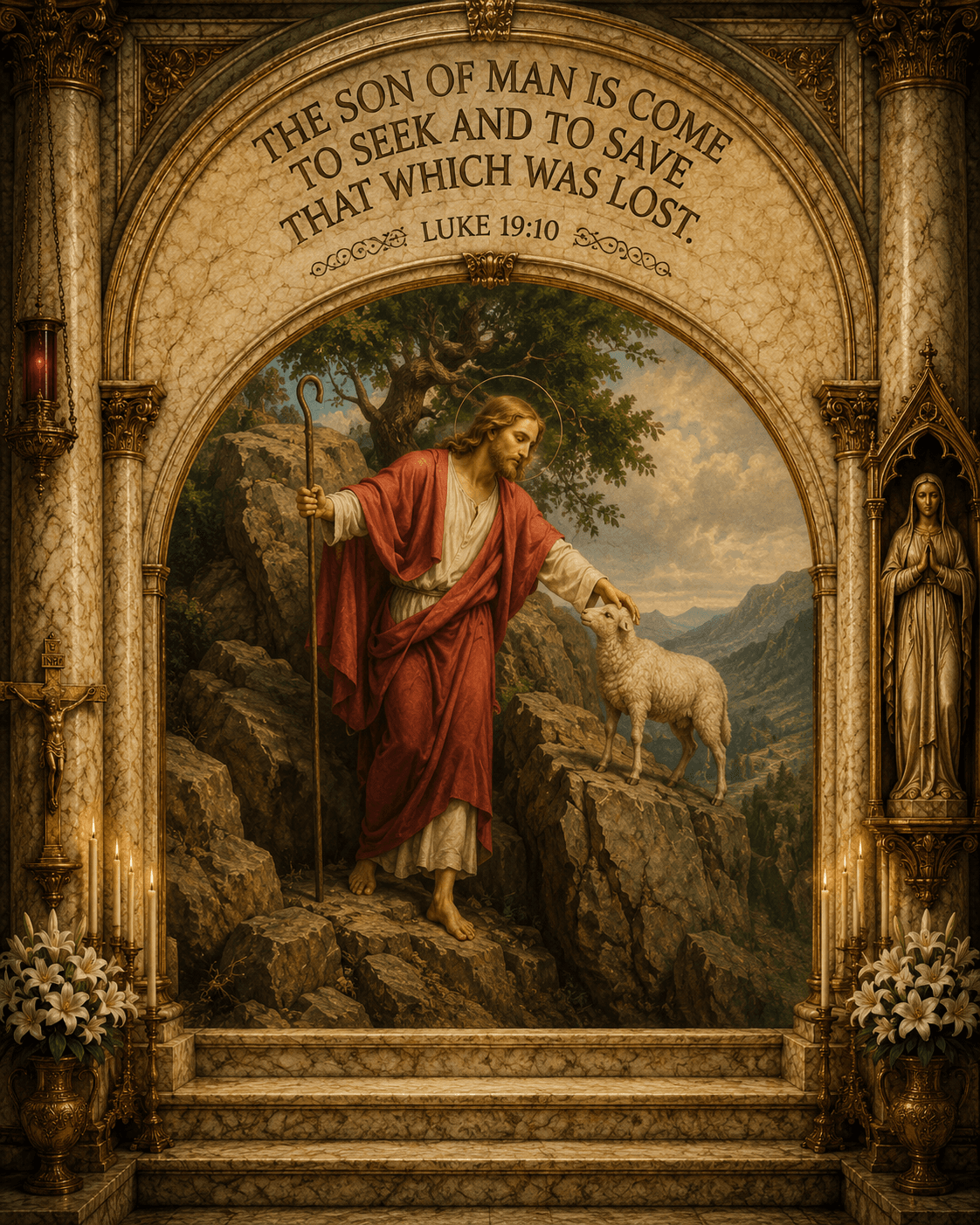
Grace does not excuse sin. It heals, restores, and raises the fallen by bringing them back into truth and life.
This gate teaches mercy in its proper form: not indulgence toward disorder, but the victorious action of God who calls sinners to repentance and gives the means to return.
Here the soul learns that mercy is neither softness nor denial. It is divine compassion joined to divine truth, restoring what has been wounded without pretending the wound is harmless.
Once restored, the soul must learn how to persevere day by day.
This gate keeps the whole line directed toward repentance, divine judgment, mercy, and final hope, so that consolation is never severed from truth and warning is never severed from hope. It answers the sentimental abuse of mercy and directly, because God does not save by lowering His holiness or by silencing His judgments.
Mercy is not softness, and judgment is not the denial of mercy. The Catholic proportion is clear: comes first, repentance cannot be postponed safely, mercy is real, and the final things must be spoken of with both fear and hope. is necessary in that whole order, because mercy is not a private religious feeling but a -bearing work of Christ through His , His priesthood, His , and His public prayer. That is why the reading path moves from , repentance, and the dead into the harder chapters on , presumption, despair, hell, purgatory, and suffrages.
Recommended First Street
Do not read this gate as comfort from seriousness. Read it as a Catholic school of repentance, judgment, mercy, and persevering hope.
Stage One: Begin with Grace, Judgment, Confession, and the Dead
Begin here:
- Grace, Conversion, and Final Perseverance
- Judgment, Repentance, and Final Perseverance
- Confession, Healing, and the Mercy of God in Crisis
- The Poor Souls and the Communion of Mercy
- Charity Beyond the Grave: Suffrages, Satisfaction, and Reparation for the Holy Souls
- Alms That Ascend Before God: A Catholic Rule of Mercy in Life and for the Dead
- Presumption After Death: The Forgetting of the Dead and the Refusal to Pray
These chapters establish the first proportions: precedes salvation, repentance cannot be postponed safely, mercy is real, and for the dead belongs to ordinary Catholic seriousness rather than to optional devotion. They also keep mercy joined to altar, confession, suffrage, and the communion of saints.
Stage Two: Learn the Middle Discipline of Mercy Without Sentimentality
Then continue here:
- The Delay of Judgment and the Patience of God
- The Fear of God and the Sin of Presumption
- Blindness, Hardness of Heart, and Resisted Grace
- Mercy That Warns and the Refusal of False Consolation
- The Cost of Conversion in an Age of Excuses
- Contrition, Amendment, and the Return to Grace
- The Wounded Conscience and the Hard Conscience
- Divine Chastisement as Medicinal Mercy
- The Sacred Heart and the Refuge of Sinners
- The Good Thief and the Hope of Late Repentance
- The Tears of Peter and the Healing of Betrayal
- The Remnant and the Salvation of Souls
- Reparation, Devotion, and Final Perseverance
- From Judgment to Glory: Closing Synthesis
This middle band teaches how mercy remains truthful in practice: it warns, chastens, heals, deepens , sustains hope for repentant souls, and refuses the sentimental softness that would leave the sinner unchanged. It teaches the soul to hate the lie that sin may be kept without ruin, because no true holiness exists where there is no hatred of what destroys souls.
Stage Three: Read the Later Direct Chapters on Justice, Presumption, and Final Things
Then continue here:
- Divine Justice and the Triumph of Mercy
- Blindness as Divine Judgment: When God Withdraws Light from Those Who Refuse to See
- True Mercy Does Not Lie About Sin
- False Mercy and the Healing That Is No Healing
- Salvation Is Deliverance From Sin, Not Self-Esteem in Religious Language
- Presumption: The Sinner Who Expects Mercy Without Conversion
- Despair and the Sinner Who Thinks Mercy Is Not for Him
- Hell and the Necessity of Fearing Final Loss
- Why Universalism Destroys Both Justice and Mercy
- The Fewness of the Saved and the Danger of Complacency
- Deathbed Repentance and the Danger of Postponement
- Perfect Contrition and the Soul That Returns Before Confession
- Suicide, Deliberate Counsel, and Requiem Mercy: The 1917 Code on Burial, Repentance, and Mental Illness
- The Justice of Purgatory and the Mercy of Purification
- Prayer for the Dying and the Duty Not to Abandon Souls at the End
- The Particular Judgment and the Soul Alone Before God
- The Prayer for the Dead and the Communion of Suffrages
- The Mercy of Indulgences Rightly Understood
- Why God Delays Judgment and Why Delay Is Not Approval
- Alms That Ascend Before God: A Catholic Rule of Mercy in Life and for the Dead
- When No Priest Can Reach the Deathbed: A Catholic Emergency Rule for the Last Hour
These later chapters gather the whole line into a more direct treatment of , final judgment, presumption, despair, hell, purgatory, the dying, the dead, the emergency duties of a Catholic family when no priest can arrive, and 's concrete acts of suffrage. Read them after the earlier stages have established the Catholic relation between and mercy, and severity will appear not as harshness but as the form takes when eternity is at stake.
Nearby Streets
- The poor souls and the altar: The Infinite Value of One Holy Mass for the Souls in Purgatory
- A complete rule of suffrage: Charity Beyond the Grave: Suffrages, Satisfaction, and Reparation for the Holy Souls
- Practical mercy in life and for the dead: Alms That Ascend Before God
Read this gate that way and the line stays clear: mercy saves because it tells the truth about sin, opens the way back through , and refuses both despair and presumption. These chapters do not soothe souls into delay, but help them return while the door of mercy still stands open.
All Entries in Mercy and Salvation
- Grace, Conversion, and Final Perseverance
- Judgment, Repentance, and Final Perseverance
- Confession, Healing, and the Mercy of God in Crisis
- The Poor Souls and the Communion of Mercy
- Charity Beyond the Grave: Suffrages, Satisfaction, and Reparation for the Holy Souls
- Presumption After Death: The Forgetting of the Dead and the Refusal to Pray
- The Delay of Judgment and the Patience of God
- The Fear of God and the Sin of Presumption
- Blindness, Hardness of Heart, and Resisted Grace
- Mercy That Warns and the Refusal of False Consolation
- The Cost of Conversion in an Age of Excuses
- Contrition, Amendment, and the Return to Grace
- The Wounded Conscience and the Hard Conscience
- Divine Chastisement as Medicinal Mercy
- The Sacred Heart and the Refuge of Sinners
- The Good Thief and the Hope of Late Repentance
- The Tears of Peter and the Healing of Betrayal
- The Remnant and the Salvation of Souls
- Reparation, Devotion, and Final Perseverance
- From Judgment to Glory: Closing Synthesis
- Divine Justice and the Triumph of Mercy
- Blindness as Divine Judgment: When God Withdraws Light from Those Who Refuse to See
- True Mercy Does Not Lie About Sin
- False Mercy and the Healing That Is No Healing
- Salvation Is Deliverance From Sin, Not Self-Esteem in Religious Language
- Presumption: The Sinner Who Expects Mercy Without Conversion
- Despair and the Sinner Who Thinks Mercy Is Not for Him
- Hell and the Necessity of Fearing Final Loss
- Why Universalism Destroys Both Justice and Mercy
- The Fewness of the Saved and the Danger of Complacency
- Deathbed Repentance and the Danger of Postponement
- Perfect Contrition and the Soul That Returns Before Confession
- Suicide, Deliberate Counsel, and Requiem Mercy: The 1917 Code on Burial, Repentance, and Mental Illness
- The Justice of Purgatory and the Mercy of Purification
- Prayer for the Dying and the Duty Not to Abandon Souls at the End
- The Particular Judgment and the Soul Alone Before God
- The Prayer for the Dead and the Communion of Suffrages
- The Mercy of Indulgences Rightly Understood
- Why God Delays Judgment and Why Delay Is Not Approval
- Alms That Ascend Before God: A Catholic Rule of Mercy in Life and for the Dead
- When No Priest Can Reach the Deathbed: A Catholic Emergency Rule for the Last Hour
Web design by Patrick Kearney