The Church in Exile
The Church in Exile: remnant fidelity where true altars remain under trial.
Gate of Exile
25 published entries
The gate of remnant life: faithful altars, hidden endurance, and the little flock under trial.
Published entries are listed below in reading order.
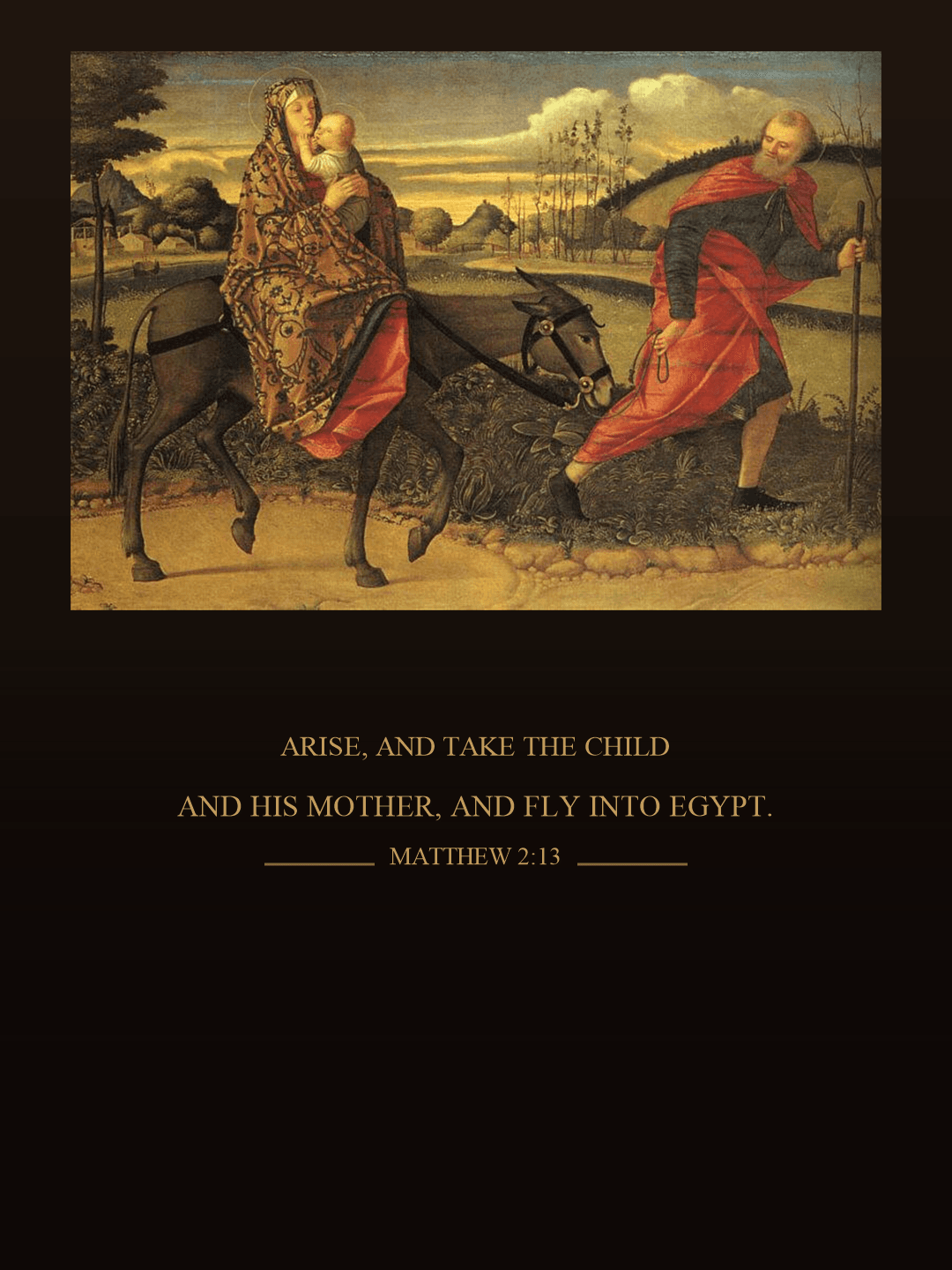
The Hidden Continuity
The Church may be obscured, displaced, and reduced in outward strength, yet she remains what Christ made her.
This gate teaches the soul how to recognize continuity under concealment. Exile does not mean extinction. The true priesthood, the true sacrifice, and the true faith may remain in remnant form while public appearances suggest defeat.
Here the soul learns endurance without illusion. Fidelity may become hidden, poor, and contradicted, yet what is of God is not abolished by humiliation.
From hidden continuity arise those who bear witness when many fall silent.
This gate explains 's hidden life in exile and the reawakening of the faithful . It stands beneath the gaze of Our Lady of Sorrows, who remained faithful beneath the Cross when the visible form of triumph seemed crushed, scattered, and buried. What was true at remains true now: exile is real, but abandonment is false; the altars are not extinguished; the little flock has not been forgotten.
This gate does not merely describe collapse, but teaches souls where to look when ordinary structures are occupied, confused, or obscured. remains the same Mystical Body of Christ: visible in her doctrine, living in her true sacrifice, apostolic in her continuity, and sustained by even when she is driven from places of . Families, priests, and isolated faithful should therefore read these chapters not as a theory of defeat, but as a school of discernment, endurance, and hope.
They must also be read with the Marian rule in view. What is said of Our Lady at is said, in proper ecclesial sense, of : sorrowful, faithful, dispossessed in appearance, and yet still united to Christ. Exile is therefore not merely institutional confusion. It is 's Passion lived out in history.
For the focused line on Marian combat, the two standards, and the little flock formed beneath the Cross, read also Standard of Jesus and Mary.
For the priestly and line of exile, especially orders, true worship, and the discernment of shepherds, read Street of Fidelity.
Jeremias and Lamentations belong to the inner grammar of exile: rejected, temple-illusion unmasked, the true witness struck with the tongue, sacred ruin honestly named, and hope preserved in sorrow while judgment ripens against false shepherds.
So too does Ichabod. Exile cannot be understood unless the soul first admits that glory may depart from occupied sanctuaries while the true favor of God is preserved elsewhere. The does not begin by inventing a crisis. It begins by recognizing that what looked established may already have been emptied.
Exodus belongs here as well. The issue is not merely leaving corruption, but being led out so that God's people may worship Him rightly. "Let my people go, that they may worship me in the desert" is one of the great interpretive lines of exile. Separation is ordered to true worship.
Read these chapters as a movement from identity to burial, from burial to , and from to restoration.
First Street
Stage One: Learn What Exile Is
Begin here:
- Theological Introduction: The Four Marks, the Visibility of the Church, and the Remnant in the Time of Apostasy
- Liturgical Introduction: The Holy Sacrifice of the Mass, Heart of the Church, Measure of the Crisis, and Lifeblood of the Remnant
- The Mystical Body of Christ: The Soul of the Church in Exile
- The Church in Exile: Visibility Preserved Without Occupation
- The Marks of Continuity in Exile
- How the Faithful Recognize the Church When Appearances Are Occupied
These chapters establish the governing principle of the gate: exile is displacement, not annihilation. remains the same in doctrine, sacrifice, priesthood, and continuity even when occupied structures try to claim her name.
Stage Two: Follow the Church Through Burial
Then read:
- The Burial of the Church: The Mystical Body Laid in the Tomb of Exile
- The Descent into Limbo: Christ's Hidden Triumph and the Church's Unseen Victory in Exile
- A Spiritual Exhortation to the Remnant: "Be Faithful Unto Death, and I Will Give Thee the Crown of Life"
This band teaches the hardest lesson in the section: may pass through obscurity, deprivation, and apparent defeat without losing her identity or her supernatural life.
Stage Three: Watch Recognition Return
Then read:
- The Angelic Proclamation: The First Reawakening of Truth in the Remnant After the Eclipse of the Church
- The Witness of the Remnant and the Slow Awakening of the Priesthood: Peter and John Running to the Tomb
- The Appearance to the Faithful Remnant: Christ Reveals His Church to Her Own
- "Strengthen Thy Brethren": The Confirmation of the Remnant After the Resurrection
Here the emphasis shifts from concealment to . The is strengthened, the faithful begin to see again where truly stands, and clearer judgment replaces passive attachment to occupied appearances.
Stage Four: Receive The Hidden Fatherhood And Sacramental Life Of Exile
Then read:
- Peter in Chains: The Chair of Peter Bound but Not Destroyed in Exile
- St. Joseph the Hidden Holy Father: Guardianship, Absence at Calvary, and Fatherhood in Exile
- St. Peter ad Vincula: The Feast of the Chains and the Chair Under Bondage
- St. John Before the Latin Gate: Witness That Fire Could Not Destroy
- The Priest in Exile: Hidden Fatherhood, Sacrifice, and Endurance
- Sacramental Life Under Occupation
This stage keeps exile from becoming abstract. in exile still has fatherhood, sacrifice, priesthood, and hunger, though all may be pressed into humbler and more painful forms.
Stage Five: Receive The Mission And Hope Of Restoration
Finally read:
- The Great Commission Renewed: The Mission of the Remnant After the Resurrection
- The Peace of the Risen Christ: The Gift of the Holy Ghost to the Remnant
- The Final Blessing: Christ Prepares the Remnant for His Hidden Reign
- The Ascension of the Church: Christ's Hidden Reign Over the Faithful Remnant
- Pentecost: The Fire That Restores the Visibility and Mission of the Remnant Church
- The Dawn After Exile: The Restoration of All Things in Christ
This final band prevents exile from collapsing into survivalism. Exile is ordered to mission, strengthening, endurance, and final restoration in Christ. in exile is still sent by Christ, not a circle of refugees inventing religion in the dark.
All Entries in The Church in Exile
- Theological Introduction: The Four Marks, the Visibility of the Church, and the Remnant in the Time of Apostasy
- Liturgical Introduction: The Holy Sacrifice of the Mass, Heart of the Church, Measure of the Crisis, and Lifeblood of the Remnant
- The Mystical Body of Christ: The Soul of the Church in Exile
- The Church in Exile: Visibility Preserved Without Occupation
- The Burial of the Church: The Mystical Body Laid in the Tomb of Exile
- The Descent into Limbo: Christ's Hidden Triumph and the Church's Unseen Victory in Exile
- The Angelic Proclamation: The First Reawakening of Truth in the Remnant After the Eclipse of the Church
- The Witness of the Remnant and the Slow Awakening of the Priesthood: Peter and John Running to the Tomb
- The Appearance to the Faithful Remnant: Christ Reveals His Church to Her Own
- "Strengthen Thy Brethren": The Confirmation of the Remnant After the Resurrection
- The Great Commission Renewed: The Mission of the Remnant After the Resurrection
- The Peace of the Risen Christ: The Gift of the Holy Ghost to the Remnant
- The Final Blessing: Christ Prepares the Remnant for His Hidden Reign
- The Ascension of the Church: Christ's Hidden Reign Over the Faithful Remnant
- Pentecost: The Fire That Restores the Visibility and Mission of the Remnant Church
- The Dawn After Exile: The Restoration of All Things in Christ
- A Spiritual Exhortation to the Remnant: "Be Faithful Unto Death, and I Will Give Thee the Crown of Life"
- Peter in Chains: The Chair of Peter Bound but Not Destroyed in Exile
- St. Joseph the Hidden Holy Father: Guardianship, Absence at Calvary, and Fatherhood in Exile
- St. Peter ad Vincula: The Feast of the Chains and the Chair Under Bondage
- St. John Before the Latin Gate: Witness That Fire Could Not Destroy
- How the Faithful Recognize the Church When Appearances Are Occupied
- The Priest in Exile: Hidden Fatherhood, Sacrifice, and Endurance
- Sacramental Life Under Occupation
- The Marks of Continuity in Exile
Web design by Patrick Kearney