Gate of Authority
Gate of Authority: obedience received from God versus rebellion against order.
Gate of Authority
33 published entries
The gate of authority: order received from God, with revolt exposed as what stands against it.
Published entries are listed below in reading order.
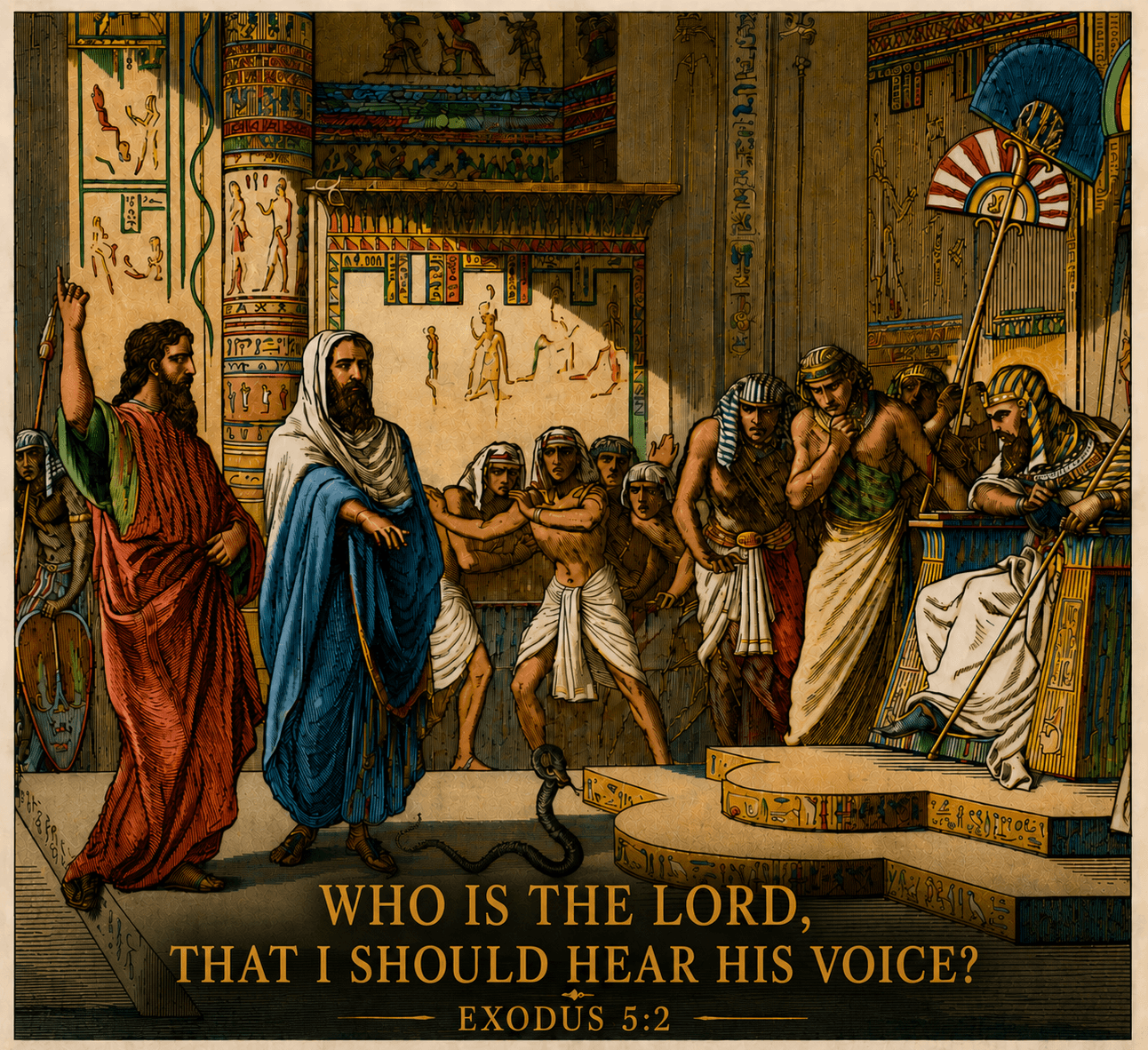
Divine Order
Truth does not endure in fragments. Christ established an order so that what is received from God would not dissolve into private will.
Authority in the Church is not a human convenience, nor a mere arrangement of administration. It belongs to the structure of divine truth, guarding doctrine, worship, and discipline from the chaos of self-rule.
This gate therefore enters the doctrine of authority while judging revolt from within the order of truth. The soul learns that right order comes from God, while rebellion begins wherever man wills to rule apart from what he has received.
Once order is recognized, the soul must see where that order is most fully expressed.
This gate teaches how God gives order, how revolt disorders what He has made, and how must be when is mocked, falsified, or usurped. It speaks especially to souls who have seen only in its corruptions and therefore begun to treat itself with suspicion. Here the soul enters the doctrine of first, then learns to judge revolt as what stands against that divine order.
is not first a political theme. It is a theological reality. God creates, commands, judges, appoints, and sends. For that reason every true on earth is received, limited, and accountable. It is never self-originating, and it never has the right to contradict the truth from which it comes. The question here is not whether man may rule absolutely, but whether he will receive rule as stewardship under God.
Revolt therefore is never merely temperament, style, or disagreement. It is the refusal to receive order from above. At times it appears as open rebellion. At times it appears as sentimental weakness, cowardly delay, , flattering speech, or clothed in sacred language. This gate helps readers recognize these forms clearly and answer them as Catholics. It also insists that no holiness exists where rebellion against truth is softened under pious language.
For the Marian line of this same warfare, especially the two standards, St. Louis de Montfort, and the discipline of the little flock under Jesus and Mary, read Standard of Jesus and Mary.
The goal is not hardness. It is restoration. Souls must learn again how , fatherhood, stewardship, mission, correction, and sacrifice belong together under God. That is why the reading path moves from first principles into doctrinal and tests, then into fatherhood, succession, hardened power, and the later direct judgments on modern revolt. The pattern of Exodus also belongs here: God delivers His people not into autonomy, but into ordered worship.
Recommended First Street
Do not read these chapters as a study in force alone. Read them as a school of received order: under God, under truth, and revolt as the refusal to receive either.
Stage One: Begin With the First Principles of Authority
Begin here:
- Authority Comes From God and Revolt Destroys Order
- Korah, Saul, and Pilate: Patterns of Revolt Against Order
- Conversion and Obedience in the Face of Usurpation
- Fatherhood, Stewardship, and the Ruin of Moral Order
- Pilate and Washed Hands: Responsibility Without Truth
- Korah Revisited: Popular Revolt and Sacred Order
This opening band establishes the central rule: is received from above and therefore limited by truth, while revolt appears whenever man treats his own will as the source of law, worship, or rule. The city of man is built exactly on that self-originating impulse.
Stage Two: Learn the Doctrinal and Sacramental Tests of True Authority
Then continue here:
- Doctrinal Continuity and the Test of Time
- Sacramental Fidelity Under Pressure
- Saintly Witness in Times of Trial
- Perseverance, Reparation, and Hope
- The Cost of Fidelity in an Age of Compromise
- Doctrinal Clarity and Pastoral Charity Together
- The Pattern of Trial and Preservation
- Counterfeit Peace and Authentic Unity
- Sacrifice, Authority, and the Life of Grace
- How the Church Gave Us the Bible, and Why Antiquity Alone Does Not Prove Purity
This second band shows how is tested in practice: by continuity, seriousness, saintly witness, endurance, truthful , the custody of revelation itself, and the willingness to sacrifice self rather than bargain away what was received. that asks souls to make peace with contradiction shows itself already corrupted.
Stage Three: See How Authority Is Tried in the Household and in Succession
Then continue here:
- A Man's Enemies Shall Be of His Own House
- Solomon, the Two Women, and the Dead Child
- Let My Son Go: Obstinate Fathers, Hardened Hearts, and the Loss of Sons
- The Centurion and the Grammar of Authority
- The Mantle of Elijah and Apostolic Succession
This third band presses the question inward. is not an abstraction; it governs homes, fathers, sons, offices, succession, and the transmission of mission under God. The household becomes either a small school of the City of God or a nursery of revolt.
Stage Four: Finish With the Later Direct Judgments on Hardened Power and Modern Revolt
Then finish here:
- Moses and Pharaoh: The War Between Truth and Hardened Power
- The Authority of the Apostles in the Age of the Holy Ghost: The True Church Speaks, Teaches, and Governs
- "Fathers, Provoke Not Your Children to Anger": Authority, Truth, and the Formation of Sons
- Modern Forms of Prophetic Suppression: Authority, Silence, and Spiritual Death
- Hatred of God as Preference of Self: Disordered Love, Heresy, and the Rejection of Divine Authority
- "Unity" Without Obedience: The Condemned Religion of Indifferentism
- Authority: The Modernist Revolt Against the Kingship of Christ
- Dogma and Authority: The Twin Pillars the Modernist Must Destroy
- Obedience: The Virtue Modernism Must Redefine
- The Doctrine of the Hardened Heart: When Truth Is Resisted, Grace Is Withdrawn
- Pharaoh and Job: Two Souls Beneath the Rod
- Humility and the Restoration of Authority: Why the Domestic Church Stands or Falls with the Father's Submission to Truth
This final band moves from principle to direct judgment: hardened rulers, apostolic mission, paternal failure, prophetic suppression, , , the contrast between Pharaoh and Job beneath affliction, and at last the by which is under God. It teaches that the answer to false is not lawlessness, but purified by submission to truth.
Read the chapters that way and stays Catholic: received from above, judged by truth, purified by sacrifice, and through rather than force alone.
All Entries in Gate of Authority
- Authority Comes From God and Revolt Destroys Order
- Korah, Saul, and Pilate: Patterns of Revolt Against Order
- Conversion and Obedience in the Face of Usurpation
- Fatherhood, Stewardship, and the Ruin of Moral Order
- Pilate and Washed Hands: Responsibility Without Truth
- Korah Revisited: Popular Revolt and Sacred Order
- Doctrinal Continuity and the Test of Time
- Sacramental Fidelity Under Pressure
- Saintly Witness in Times of Trial
- Perseverance, Reparation, and Hope
- The Cost of Fidelity in an Age of Compromise
- Doctrinal Clarity and Pastoral Charity Together
- The Pattern of Trial and Preservation
- Counterfeit Peace and Authentic Unity
- Sacrifice, Authority, and the Life of Grace
- A Man's Enemies Shall Be of His Own House
- Solomon, the Two Women, and the Dead Child
- Let My Son Go: Obstinate Fathers, Hardened Hearts, and the Loss of Sons
- The Centurion and the Grammar of Authority
- The Mantle of Elijah and Apostolic Succession
- Moses and Pharaoh: The War Between Truth and Hardened Power
- The Authority of the Apostles in the Age of the Holy Ghost: The True Church Speaks, Teaches, and Governs
- "Fathers, Provoke Not Your Children to Anger": Authority, Truth, and the Formation of Sons
- Modern Forms of Prophetic Suppression: Authority, Silence, and Spiritual Death
- Hatred of God as Preference of Self: Disordered Love, Heresy, and the Rejection of Divine Authority
- "Unity" Without Obedience: The Condemned Religion of Indifferentism
- Authority: The Modernist Revolt Against the Kingship of Christ
- Dogma and Authority: The Twin Pillars the Modernist Must Destroy
- Obedience: The Virtue Modernism Must Redefine
- The Doctrine of the Hardened Heart: When Truth Is Resisted, Grace Is Withdrawn
- Humility and the Restoration of Authority: Why the Domestic Church Stands or Falls with the Father's Submission to Truth
- A Father's Rule In Exile
- Pharaoh and Job: Two Souls Beneath the Rod
Web design by Patrick Kearney