Start Here
Start Here: a guided path for first steps through the whole work.
Gate of Entry
19 published entries
The first threshold for new readers: first principles, first warnings, and first steps.
Published entries are listed below in reading order.
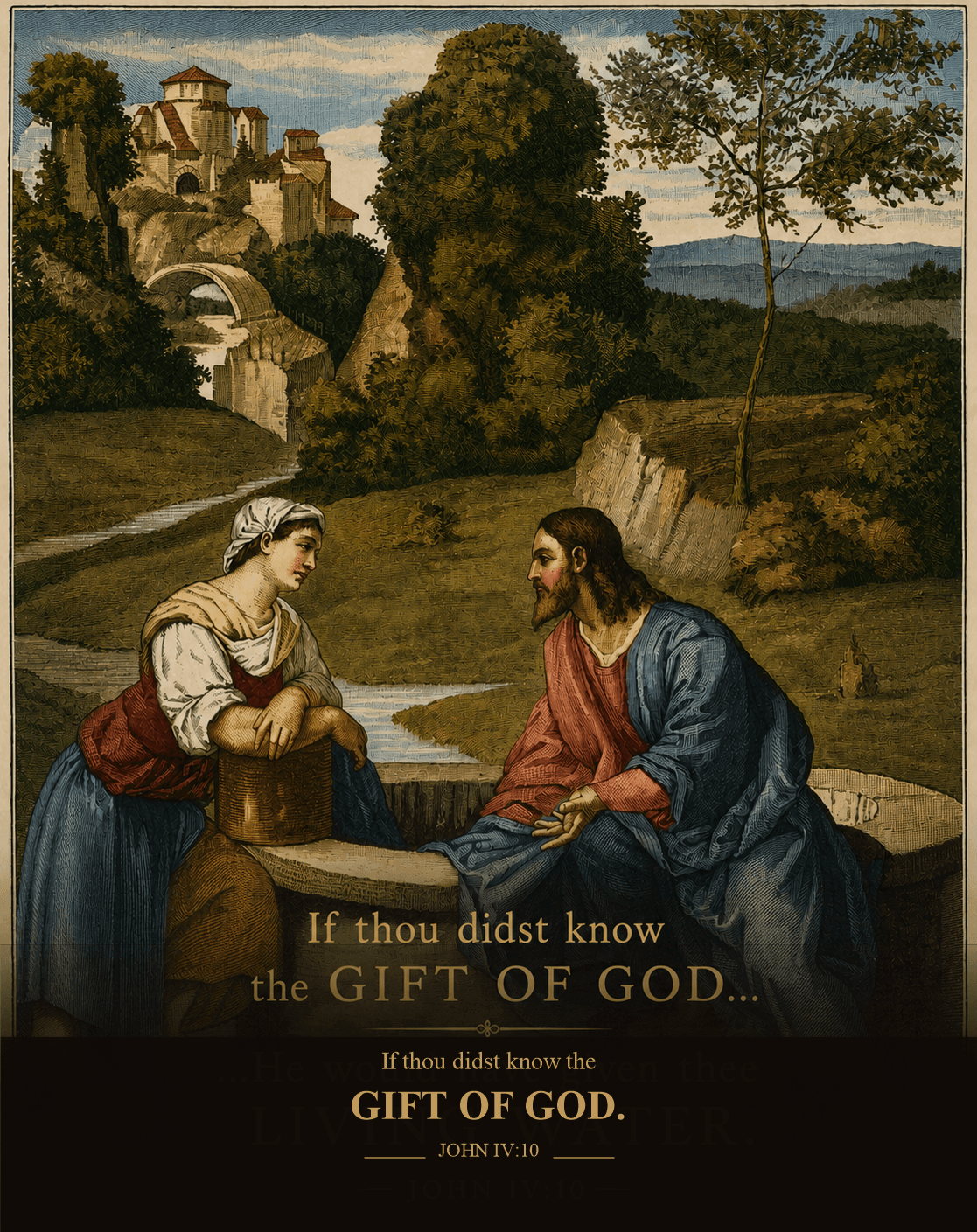
Awakening
The soul does not enter all at once. It first receives the grace to see that what surrounds it is not as it appears.
This gate is the beginning of sobriety. Here illusion is first named as illusion, and the soul learns that confusion is not neutral. What was taken for reality must be tested, because false peace often survives only by remaining unexamined.
To pass through this gate is not yet to possess the whole order of truth. It is to awaken to the fact that truth exists, that deception is real, and that one cannot remain forever in the comfort of appearances.
From this first awakening, the soul must move toward recognition.
If you are new, begin here. This is not a news feed and not a debate forum. It is a structured theological guide ordered toward the salvation of souls.
Many readers arrive here after years of confusion, bad catechesis, religious exhaustion, or false traditional delay. This opening gate is meant to meet such readers where they are and lead them step by step. It is not written for insiders only. It is written so that souls can be led from bewilderment toward , , and peace in the truth.
If the size of the work feels heavy after you begin, Garden of Peace gives a shorter path for regaining order without panic.
Begin with the question that brought you here
Not every soul reaches the gate by the same road. Begin with the condition that most plainly names the present obstacle:
- If innocent suffering has made it difficult to trust God, begin with When the Innocent Suffer.
- If shame has convinced you that you are too sinful to return, begin with You Do Not Have to Make Yourself Worthy Before Coming Home.
- If prayer feels empty and God seems absent, begin with When You Cannot Feel God.
- If feels like the destruction of freedom, begin with Why Obedience to God Is Not the Loss of Freedom.
- If competing religious claims have left you afraid to choose, begin with What If I Choose the Wrong Church?.
- If or corruption has made you distrust , enter the Street of Trust.
- If you are seeking , take the Road to the True Church.
- If you are Protestant and seeking Christ founded, enter the Street of Truth.
- If you are learning the Catholic foundations, begin with the Pilgrim's Way.
- If you are overwhelmed, enter the Garden of Peace.
What You Should Understand First
Before reading deeply, keep these four truths before your mind:
- can be known.
- must be recognized, including .
- The faithful must persevere.
- will triumph.
Recommended Pilgrimage Order
Do not try to take the whole work at once. Move in stages.
Stage One: Cross the Threshold
Read these first if you are unsure whether to enter at all:
- To Those Standing at the Gates: A Charitable Invitation to Enter and See
- To Those Who Were Told Religion Is Dead
- What It Means to Say the Church Is in Exile
- What If I Choose the Wrong Church?
These chapters clear away the first obstacle: the assumption that is dead, inaccessible, or impossible to know.
At this first threshold, keep one further scriptural warning in view: Ichabod, the glory has departed. One of the hardest lessons for new readers is that a sanctuary may still stand outwardly while the manifest glory of God has departed from it through infidelity. Until that possibility is admitted, the rest of the crisis is almost impossible to read rightly.
Exodus belongs here too. God does not merely bring His people out in order to leave them undefined. He brings them out so that they may worship Him rightly. That line should stay close to the reader from the beginning.
Stage Two: Remove the First Illusions
Then read these:
- Why the Few Are Not Wrong
- Why Sincerity Is Not Enough
- Why Appearance Is Not Continuity
- Why Comfort Is Not Peace
- Why Delay Becomes Danger
- Why the Truth Feels Harsh at First
- Why the Cost of Fidelity Reveals Its Worth
- You Do Not Have to Make Yourself Worthy Before Coming Home
- When You Cannot Feel God
- Why Obedience to God Is Not the Loss of Freedom
These chapters deal with the emotional and moral resistance that keeps souls from acting once truth begins to press upon them.
They also teach the soul not to confuse surviving structure with surviving substance. This is one of the chief uses of the Ichabod theme: it breaks the illusion that external continuity by itself proves divine favor.
Stage Three: Learn the Catholic Rule
Then establish the doctrinal foundations:
- Why Doctrine Matters
- Why Private Judgment Cannot Save the Soul
- Why Christ Did Not Leave Us a Private Religion
- Why False Spirituality Cannot Save: Paganism, Syncretism, and the Religion of Self
- Why No Religion Is Neutral: Secularism and the Myth of the Uncommitted Life
- Statement of Faith
By the end of this stage, the reader should understand that religion is not a private taste, that doctrine binds, and that God founded a rather than a self-directed spirituality.
That also means is necessary, not optional, and Our Lady is not a sentimental addition to Catholic life. What is said of Mary is said, in proper ecclesial sense, of : faithful, sorrowful, fruitful, and victorious in exile.
For the scriptural treatment of this principle, see 1 Kings (1 Samuel) 4:21: Ichabod, the Glory Has Departed, and the Judgment of an Emptied Sanctuary.
Stage Four: Enter the Main Gates
Only then move into the larger work in this order:
- How the True Church Is Known
- The Counterfeit
- Conversion and the New Man
- Scripture Treasury
- The Life of the True Church
- The Church in Exile
- Mercy and Salvation
- Triumph
This order matters. First learn what is, then what she is not, then let the old man be judged and the new man put on, and only then move more deeply into Scripture, life, exile, mercy, and final triumph.
These gates should be understood rightly. They are not rivals to the twelve gates of the holy city. They are gates of approach for recognizing the City of God in exile: thresholds of , repentance, doctrine, worship, purification, and hope. They lead pilgrims toward the true City of God, not toward a private substitute for it.
How to Read a Chapter Well
Each chapter is built on one method:
- Scripture
- Historical witness
- Application to the present crisis
Read slowly. Verify references. Use footnotes. Do not isolate one quotation from the whole witness of .
What Must Be Refused
Refuse:
- doctrinal contradiction in the name of unity
- built on ambiguity
- novelty presented as
- despair disguised as realism
What Must Be Sought
Seek:
- doctrinal clarity
- fidelity
- discernment without bitterness
- hope without compromise
Final Word
Exile is not extinction. The faithful remain, the true altars remain, and Christ remains with His unto the consummation.
All Entries in Start Here
- To Those Standing at the Gates: A Charitable Invitation to Enter and See
- To Those Who Were Told Religion Is Dead
- What It Means to Say the Church Is in Exile
- Why the Few Are Not Wrong
- Why Sincerity Is Not Enough
- Why Appearance Is Not Continuity
- Why Comfort Is Not Peace
- Why Delay Becomes Danger
- Why the Truth Feels Harsh at First
- Why the Cost of Fidelity Reveals Its Worth
- Why Doctrine Matters
- Why Private Judgment Cannot Save the Soul
- Why Christ Did Not Leave Us a Private Religion
- Why False Spirituality Cannot Save: Paganism, Syncretism, and the Religion of Self
- Why No Religion Is Neutral: Secularism and the Myth of the Uncommitted Life
- You Do Not Have to Make Yourself Worthy Before Coming Home
- When You Cannot Feel God
- Why Obedience to God Is Not the Loss of Freedom
- What If I Choose the Wrong Church?
Web design by Patrick Kearney