The Daily Pilgrimage
“Now therefore, ye children, hear me: Blessed are they that keep my ways.” — Proverbs 8:32
Daily formation
2028-05-19
Receive the day as a child of Holy Mother Church. Beneath Our Lady's care, magnify Christ, obey God's commandments, fulfill the duties of your state in life, die to self, trust divine Providence, resist error, and return the whole day to God.
Holy Mother Church gathers her children around the Sacred Calendar, feeds them with truth, warns them against what wounds the soul, and teaches them to walk faithfully toward their heavenly home.
“Fear not, little flock, for it hath pleased your Father to give you a kingdom. […] For where your treasure is, there will your heart be also.”
Choose a date
Daily navigation
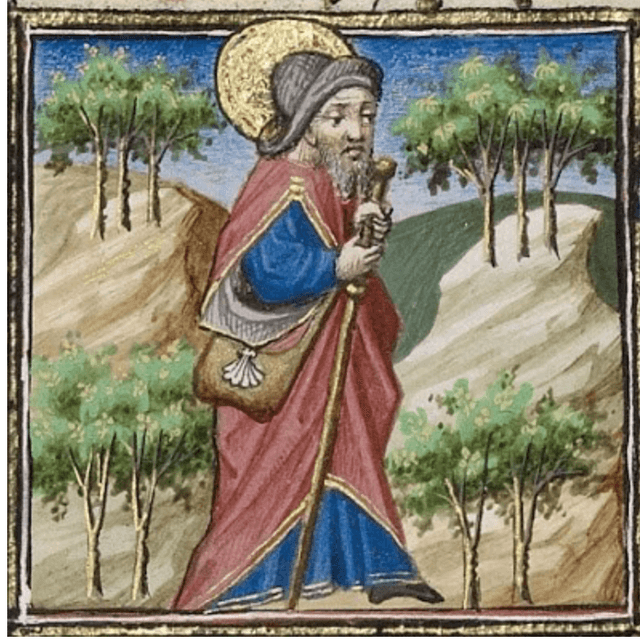
St. Peter Celestine, Pope and Confessor
City of God in Exile
St. Peter Celestine, Pope and Confessor
2028-05-19 - Eastertide - Double - white
Today
St. Peter Celestine, Pope and Confessor
Apostolic Fidelity
Truth
Valid Sacraments Are a Grave Priority
The faithful must seek valid sacraments with prudence, sacrifice, and holy seriousness, without inventing sacraments or despising them.
Practice
Humility, detachment, and holy solitude.
Perform useful tasks anonymously and resist the desire to have them noticed.
Offering
To Jesus through Mary
Receive from Jesus through Mary only so that you may belong and return more completely to Jesus.
The Pilgrim's Devotional Rhythm
Keep this month and this weekday in prayer.
The month's intention and the weekday remembrance gather the pilgrim's prayer into the devotional rhythm of the Church. In harmony with today's Mass, feast, and duties, they teach him to receive ordinary time from God and return it to Him in honor and intercession.
May intention
The Blessed Virgin Mary
The month of Mary should not pass in affection alone. Place yourself under her mantle and learn her humility, purity, recollection, and obedience, so that she may form Christ more perfectly in you.
Intention
For growth in true devotion to Our Lady, the protection of innocence, and the return of wandering souls to her Divine Son.
A faithful act
Offer the Rosary, or a carefully prayed decade when the full Rosary is not possible, for souls in danger of losing the Faith.
Prayer
O Mary, conceived without sin, lead me to Jesus and teach me to do whatsoever He shall say.
Friday remembrance
The Passion and Sacred Heart of Jesus
Friday keeps Calvary before the Christian soul. Unite the day's labor and suffering to the Passion of Christ, remembering that His Sacred Heart was opened for sinners and that love proves itself by sacrifice and obedience.
Intention
In reparation for sin; for the conversion of sinners; and for those who suffer, are persecuted, or will die this day.
A faithful act
Keep the Church's Friday abstinence and add hidden self-denial in memory of the Passion.
Prayer
Most Sacred Heart of Jesus, through Thy bitter Passion, have mercy on us and on poor sinners.
Good Morning, Pilgrim
Receive this day as a child of Holy Mother Church.
Today the Church recalls that Christ entrusted His doctrine, sacraments, and authority to the apostles and commanded them to hand these gifts on. Catholics therefore receive the Faith from the Church rather than inventing it privately. They must also remember that sacred office is meant to serve revealed truth: holding an office and remaining faithful to its duties are related, but they are not identical.
Ask Jesus for mercy through His Mother and offer yourself as an instrument by which His charity may reach the persons entrusted to you.
Formation in True Devotion - Day 174: Review and Deepening: The Trinity's Order of Grace through Mary
“She is His mysterious canal; she is His aqueduct, through which He makes His mercies flow gently and abundantly.”
Christ is the source; Mary is the canal. The distinction is essential. She neither originates grace nor replaces Our Lord's sacrifice, Church, or sacraments. Everything she gives is His, and her whole maternal action carries souls toward union with Him.
An aqueduct receives in order to convey. Imitate that self-forgetful service. Whatever truth, time, strength, material good, consolation, or spiritual help God sends should not stagnate in self-possession. Let it pass through your duties into prayer, charity, reparation, and service of souls.
Ora — Begin with Prayer
Offer the day before spending it
Prayer gives the day its right beginning and its right end. Before work, conversation, news, or distraction claims the mind, adore the Blessed Trinity and offer every prayer, work, joy, suffering, and temptation to Jesus through Mary. Ask your Guardian Angel for help, and place the souls and needs entrusted to you beneath God's will.
Begin simply. Make the Morning Offering through the hands of Our Lady. Pray the Three Hail Marys for purity and final perseverance, ask your Guardian Angel to govern the senses and imagination, and name the soul or intention for which today's prayers and sacrifices will be offered. Do not rush these acts merely because they are familiar; let them place the whole day beneath God before the world begins to claim it.
O God, through St. Peter Celestine, free me from ambition and self-importance. Teach me to accept hiddenness when it better serves holiness and duty.
Quote of the Day
“Prayer places our mind in the brightness and light of God, and exposes our will to the heat of heavenly love.”
Plain-language help for today - 3 unfamiliar terms
- Chair of St. Peter
- a feast honoring the teaching and governing office Christ entrusted to St. Peter and continued in his successors; the chair symbolizes that pastoral authority.
- Commemoration
- a shorter liturgical remembrance of another saint or observance occurring on the same day.
- Confessor
- in the traditional calendar, a male saint who openly professed the Faith by a holy life but was not killed as a martyr.
Today's Full Breviary Sermon or Proper Lesson
The tiara laid down for the hidden life.
Matins - Second Nocturn - St. Peter Celestine, Pope and Confessor
The verified Breviary witness for this observance is identified below. A complete English transcription has not yet been admitted, so no excerpt or summary is presented as though it were the full appointed text.
Roman Breviary, Proper lessons for St. Peter Celestine
“He resigned the burden and the honour together.”
- The Breviary remembers St. Peter Celestine as a hermit raised unexpectedly to the chair of Peter after the Roman Church had long been without a shepherd.
- When the burdens of the papacy hindered his accustomed contemplation, he freely resigned the honor and burden together.
- His lesson is not contempt for authority, but humility before God: earthly dignity must be held lightly when the soul is called to hidden fidelity.
Do not cling to office, praise, or visibility. St. Peter Celestine teaches that greatness may consist in laying down what men would grasp.
Walk with Holy Mother Church
Holy Mother Church has already begun praying. Enter her prayer.
Today the Roman year keeps St. Peter Celestine, Pope and Confessor. Receive the observance from the Church's hands: first understand what is commemorated, then let its doctrine and worship shape the day.
Roman Martyrology
May 19
birthday of St. Peter of Moroni, who, while leading the life of an anchoret, was created Sovereign Pontiff and called Celestin V. Having abdicated the pontificate, he led a religious life in solitude, where, renowned for virtues and miracles, he went to God. — At Rome, the saintly virgin Pudentiana, who, after numberless tribulations, after burying with great respect many martyrs, and distributing all her goods to the poor for Christ's sake, departed from this world to go to heaven. — In the same city, St. Pudens, senator, father of the virgin just mentioned, who, being clothed with Christ in baptism by the apostles, preserved unspotted the robe of innocence until he received the crown of life. — Also, at Rome, on the Appian road, the birthday of the Saints Calocerus and Parthenius, eunuchs. The former was chamberlain to the wife of the emperor Decius, and the latter chief officer in another department. For refusing to offer sacrifice to idols, they were put to death. — At Nicomedia, the martyr St. Philoterus, son of the proconsul Pacian, who after much suffering under the emperor Diocletian, received the crown of martyrdom. — In the same city six holy virgins and martyrs. The principal one, named Cyriaca, having freely reproved Maximian for his impiety, was most severely scourged and lacerated, and then consumed with fire. — At Canterbury, St. Dunstan, bishop. — In Bretagne, St. Ives, priest and confessor, who, for the love of Christ, defended the interests of orphans, widows, and the poor.
Gospel of the Day
Blessed are those servants whom the Lord shall find watching.
St. Peter Celestine, Pope and Confessor - Luke 12:35-40
“Blessed are those servants, whom the Lord when he cometh, shall find watching.”
Ask St. Peter Celestine for holy freedom. The soul that belongs to God can become hidden without becoming useless.
Receive the Gospel with Holy Mother Church
The holy confessor remains watchful by detachment from dignity and readiness for God's will.
St. Peter Celestine teaches that office and honor are not possessions, and that hidden fidelity may be holier than visible importance.
His feast helps the soul surrender the need to appear necessary. God remains God when He asks a servant to become small.
This Gospel corrects a danger that can quietly deform Catholic judgment: The ambition that clings to office or appearance when God asks surrender. Ask where that danger seeks your consent today, and answer it with the act Our Lord requires.
Learn from Today's Saint or Feast
St. Peter Celestine
Pope and confessor who returned to solitude.
St. Peter of Moroni lived as an anchorite before he was created Sovereign Pontiff under the name Celestine V.
After abdicating the pontificate, he returned to religious solitude, where, renowned for virtues and miracles, he went to God.
Ask St. Peter Celestine for freedom from self-importance. The soul loses nothing by becoming small before God.
Breviary Witness for the Day
The pope who returned to holy solitude.
Matins - St. Peter Celestine, Pope and Confessor
- The Breviary honors St. Peter Celestine, first an anchorite, then Sovereign Pontiff, and afterward again a soul of religious solitude.
- His witness teaches humility, detachment from dignity, and the freedom of a soul that prefers God to appearance.
Renounce importance where God asks it. St. Peter Celestine teaches that holiness may require becoming hidden again.
Instruction from the Breviary
The Breviary witness for St. Peter Celestine, Pope and Confessor is part of the Church's daily teaching. It should not be read as a list of isolated facts. In the Divine Office, Scripture, the lives of the saints, doctrine, and the Church's prayer are placed together so that the mind learns what the Church remembers and the heart learns how a Catholic ought to judge and live.
Today's witness is gathered under The pope who returned to holy solitude.. Its first point is this: The Breviary honors St. Peter Celestine, first an anchorite, then Sovereign Pontiff, and afterward again a soul of religious solitude. Its next point develops the lesson: His witness teaches humility, detachment from dignity, and the freedom of a soul that prefers God to appearance.
The practical instruction is: Renounce importance where God asks it. St. Peter Celestine teaches that holiness may require becoming hidden again. Ask what truth is being guarded, what virtue is being praised, and what danger or forgetfulness is being corrected. In this way the Breviary becomes instruction for the present day rather than information that is quickly passed over.
- What truth does this Breviary witness teach or defend?
- What virtue does the Church place before me through it?
- What judgment or action should change because I have received this lesson?
The Pilgrim's Spiritual Conference
Valid Sacraments Are a Grave Priority
Remain here for a little while. Receive today's Catholic truth as a child of Holy Mother Church; let it judge the heart, strengthen the will, and become an act offered to God.
The Church places this truth before you today: The faithful must seek valid sacraments with prudence, sacrifice, and holy seriousness, without inventing sacraments or despising them. Do not hurry past it as though doctrine belonged only to books and controversies. A revealed truth is also a light by which the soul must judge its loyalties, its fears, its habits, and the duties immediately before it. Families often move for work, schools, or safety. The sacraments are a higher good, and should weigh heavily in practical decisions when God makes such a move possible.
The grace to be practiced is Humility, detachment, and holy solitude, drawn from today's saintly witness. Ask God for more than the natural appearance of this virtue. Temperament may make an action seem easy for a time, but supernatural virtue remains faithful because God is worthy of obedience, even when feeling offers no assistance and no one notices the cost. Practice generosity by receiving God's gifts gratefully and placing them at the service of His glory and your neighbor's salvation.
There is also an enemy to recognize: Resist home-alone despair when it becomes settled indifference to seeking valid sacraments. Do not study this danger only in other people. Look quietly for the door by which it seeks entrance into your own soul - perhaps through delay, curiosity, resentment, human respect, attachment to comfort, or the desire to control the outcome. Dying to self today means choosing humility, detachment, and holy solitude when pride, comfort, fear, resentment, or human respect asks for control.
Do the faithful act and entrust its fruit to divine Providence, God's wise and loving governance of all things. Place effort and outcome into Our Lady's hands so that the whole offering may be presented to her Divine Son. Confidence in God is not passivity: obey, pray, work, and accept that visible success, consolation, or immediate relief may not be given. God remains faithful when the duty is hidden and the outcome uncertain. Therefore, perform the duty that belongs to you, use the lawful means God has provided, and then surrender the fruit. Renounce possessiveness over gifts, time, spiritual consolations, and the fruit of good works. Use all your duties, prayers, resources, and opportunities as channels of truth and charity without seeking ownership of the good accomplished.
The Church's witness
This truth manifests the Church's mark of holy. The witness placed beside it today is St. Charles Borromeo.
Your resolution before God
Perform useful tasks anonymously and resist the desire to have them noticed.
St. Peter Celestine teaches freedom from office, praise, and the need to appear important.
Carry this word quietly. Return to it when distraction, temptation, or discouragement begins to scatter the soul.
The Little Rule of Fidelity
Keep the day within prayer.
These anchors do not change because the soul needs a stable rule more than a daily novelty. Open them when you are learning the rule or when your ordinary prayer has begun to loosen.
Show today's prayer and duty anchors
Begin with morning prayer
Adore the Blessed Trinity and offer the whole day to Jesus through Mary before other duties claim the mind.
Keep the Angelus
Pause morning, noon, and evening to remember the Incarnation.
Seek Our Lord in the Blessed Sacrament
Attend Holy Mass when duty permits; otherwise make a Spiritual Communion and renew desire for Jesus in the Blessed Sacrament.
Return to Jesus and Mary
Use frequent holy aspirations during work, waiting, suffering, and temptation.
Pray the Rosary
Keep the mysteries of Christ before the mind with Our Lady and learn to imitate what they contain.
End with night prayer and examen
Give thanks, confess faults, forgive injuries, make a practical amendment, and entrust the night to Our Lady.
The Pilgrim's Mirror
How shall I imitate Christ today?
“If it be lawful and expedient to speak, speak then of God and of such things as are to the edifying of thy soul or of thy neighbour's.”
Speech is a stewardship. Our Lady's recollection teaches the pilgrim that silence is not emptiness but a guard placed around charity and truth.
Not every true observation must be spoken, and not every fault must be exposed by you. Before speaking, ask whether the words serve God's truth, a real duty, or the good of a soul. If they serve only irritation, curiosity, or the wish to appear discerning, let silence make the sacrifice.
Today's Practice
Omit unnecessary remarks and use the silence to make holy aspirations.
Before Night Falls
Return the completed day to God.
Give thanks before measuring the day by feeling or visible success. Ask light to see faults without discouragement, make an Act of Contrition, forgive injuries, and place tomorrow beneath divine Providence.
Ask whether grace ended in self-satisfaction or flowed onward into obedience, reparation, intercession, and works of mercy.
- For what grace or mercy should I thank God today?
- What sin, fault, neglected duty, or resistance to grace must I confess?
- What definite amendment will I carry into tomorrow?
Go Now, Pilgrim
Walk faithfully. Pray attentively. Bear your cross willingly. Love God above all things.
Holy Mother Church has gathered you around her prayer and truth; now carry what you have received into the duties of your state.
When this day is finished, may you have laid one more stone in the City of God.
You do not walk alone: remain beneath Our Lady's care as she leads you toward her Divine Son and the Heavenly Jerusalem.
God willing, we shall meet again at tomorrow's pilgrimage.
Source notes for this pilgrimage
Martyrology: The Roman Martyrology, Baltimore, 1916, John Murphy Company; local raw text lines 5120-5161.
- Gospel: Luke 12:35-40, Douay-Rheims.
- Gospel: Traditional Roman Gospel from the common of confessors.
- Saint witness: St. Andrew Daily Missal, May 19.
- Saint witness: Roman Martyrology, 1916 Baltimore edition, May 19.
- Breviary witness: Roman Breviary, Matins lessons for May 19, St. Peter Celestine.
- Breviary witness: Roman Martyrology, 1916 Baltimore edition, May 19.
- Matins lesson: The Roman Breviary, translated by John, Marquess of Bute, 1908, vol. II, Spring, Second Nocturn for St. Peter Celestine, lessons iv-vi.
- Matins lesson: Bute 1908 is used here as an accessible pre-Pius X Breviary witness and is cited distinctly from the 1936-1937 Benziger / Burns Oates edition.
Pilgrim's Mirror: Thomas à Kempis, The Imitation of Christ, translated by Richard Whitford, edited by Wilfrid Raynal, O.S.B. (Mount Vernon, N.Y.: Peter Pauper Press, c. 1947). Today's passage is at Book I, chapter 10, p. 18.
Marian formation: St. Louis-Marie de Montfort, True Devotion to the Blessed Virgin, translated by Fr. Frederick William Faber, 1941 Company of Mary edition, imprimatur September 26, 1949. Today's passage is at True Devotion to the Blessed Virgin, no. 24. The supplied 2010 PDF is used only as a digital transcription of that pre-1955 edition.
- Devotional rhythm: St. Andrew Daily Missal, Dom Gaspar Lefebvre, O.S.B., 1953 edition; proper Mass or devotion named in this entry.
- Devotional rhythm: John 2:5, Douay-Rheims.
- Devotional rhythm: John 19:30-37, Douay-Rheims.
- Faith point: Roman Catechism, treatment of the sacraments.
- Faith point: Council of Trent, canons on the sacraments.
- Marian atmosphere and imitation: Luke 1:38, 46-49; Luke 2:19; John 2:5; John 19:25-27; and John 3:30, Douay-Rheims.
- Authority and revolt: Exodus 5:2, Douay-Rheims.
- Daily examen: St. Ignatius of Loyola, Spiritual Exercises, Particular and Daily Examen.