Discernment
Discernment: test spirits, unmask false peace, and guard the flock.
Gate of Discernment
25 published entries
The gate of practical testing: rules for recognizing deception, compromise, and false peace.
Published entries are listed below in reading order.
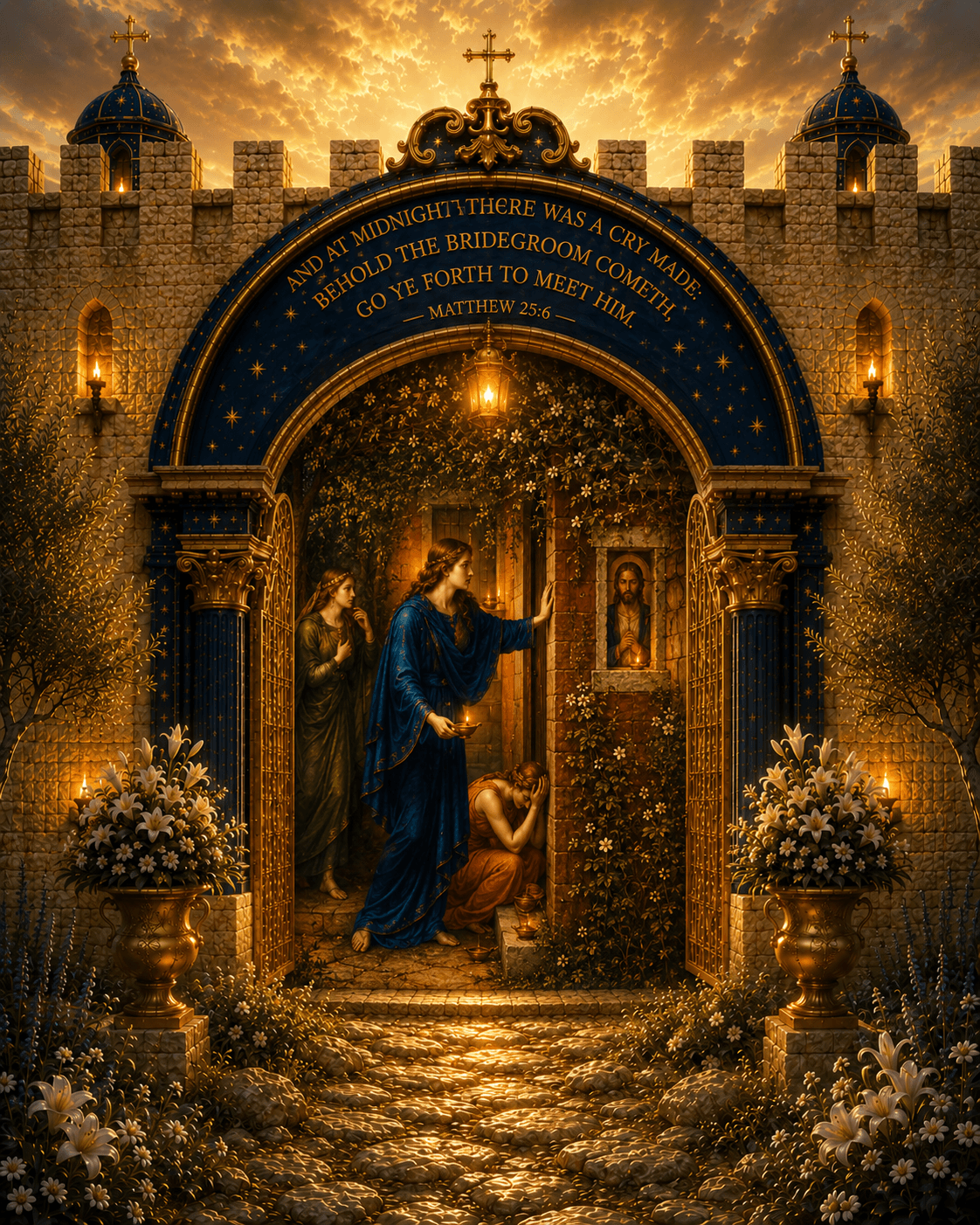
Testing the Spirits
Appearances cannot be trusted merely because they are persuasive. The soul must learn to distinguish light from imitation.
This gate trains judgment under conditions of ambiguity. It concerns false peace, flattering language, spiritual manipulation, and every form of deception that advances by looking pious while undermining truth.
Discernment is not suspicion for its own sake. It is fidelity under pressure. The soul learns to compare claims with what has been received, and to refuse whatever demands compromise in the name of charity or prudence.
Once discernment is learned, exile can be endured without surrender.
This gate teaches how deception operates and how Catholics resist it without slipping into private suspicion, bitterness, or theatrical certainty.
Discernment is not cynicism. It is the Catholic habit of measuring claims, shepherds, and religious structures by continuity in doctrine, the , , and moral fruit. That is why the reading path moves from first principles into endurance, and then into the sharper case studies where managed ambiguity, peace, and partial orthodoxy become easier to recognize.
Many souls need this distinction badly. They have either been told to trust everything in sacred dress or to suspect everything in sight. Neither instinct is Catholic. Discernment must remain obedient, ecclesial, and ordered to salvation rather than to the pleasure of detection.
For discernment of priests, orders, , false shepherds, and lawful Catholic worship in the present crisis, read Street of Fidelity.
This gate must be read with one rule clearly in mind: ordinations from the new rite of the Vatican II counter- are , and the presumed to be offered by those clergy are . Even where a certainly priest and a true rite can be established, any Mass or ministry offered in union with the false lacks lawful Catholic . Discernment must judge , doctrine, worship, , and mission together.
Recommended First Street
Do not read these chapters as suspicion without rule. Read them as a school of Catholic judgment.
Stage One: Learn What Discernment Is and Why It Is Necessary
Begin here:
- Discernment in Days of Confusion
- Hirelings, Wolves, and the Sin of Silence
- The Appearance of Tradition and the Parallel Church Error
- The Parallel Church Structure Error
- Wolves in Sheep's Clothing: Practical Tests for the Faithful
- Testing Spirits: Doctrine, Worship, and Moral Fruit
These chapters establish the basic rule: discernment is not cynicism, private suspicion, or mood-driven reaction. It is the disciplined Catholic act of testing claims by continuity in doctrine, life, , and moral fruit.
That means discernment always has a positive end. This gate helps the soul find where is truly owed, where worship is truly safe, and where truly continues.
Stage Two: Learn the Deeper Rule of Discernment Under Pressure
Then continue here:
- Doctrinal Continuity and the Test of Time
- Sacramental Fidelity Under Pressure
- Saintly Witness in Times of Trial
- Perseverance, Reparation, and Hope
- The Cost of Fidelity in an Age of Compromise
- Judgment and Condemnation Are Not the Same
- The Woes of Scripture and the Mercy That Warns
- Counterfeit Peace and Authentic Unity
- Sacrifice, Authority, and the Life of Grace
- Saintly Strategy in Times of Confusion
- Persecution, Patience, and Public Witness
- The Remnant and the Universal Mission
- Reparation, Devotion, and Final Perseverance
- From Exile to Triumph: Closing Synthesis
This middle band teaches the soul how to remain stable once have been identified: by continuity through time, seriousness, just warning, real , suffering, and hope ordered toward final perseverance rather than temporary relief.
Stage Three: Read the Direct Case Studies on Wolves and Partial Orthodoxy
Then finish here:
- Wolves in Sheep's Clothing: How False Shepherds Silence Truth While Claiming Tradition
- Why Wolves in Sheep's Clothing Are More Dangerous Than Open Heretics
- Partial Orthodoxy and the Greater Deception: Why Those Who Preserve Half the Faith Endanger Souls More Than Open Heretics
- Wolves in Sheep's Clothing: Why the Greatest Danger Comes from Those Who Preserve Catholic Forms While Suppressing Catholic Truth
These later chapters apply the same principles in a more direct polemical register. They are best read after the earlier stages have already taught the positive Catholic criteria by which false shepherds, partial orthodoxy, and managed silence must be judged.
Read the chapters that way and the emphasis stays where it belongs: not on suspicion for its own sake, but on the salvation of souls through doctrinal clarity, fidelity, and persevering hope.
There is also no true holiness where there is no hatred of . Discernment must therefore keep both sides together: toward persons and uncompromising refusal of what destroys souls.
All Entries in Discernment
- Discernment in Days of Confusion
- Hirelings, Wolves, and the Sin of Silence
- The Appearance of Tradition and the Parallel Church Error
- The Parallel Church Structure Error
- Wolves in Sheep's Clothing: Practical Tests for the Faithful
- Testing Spirits: Doctrine, Worship, and Moral Fruit
- Doctrinal Continuity and the Test of Time
- Sacramental Fidelity Under Pressure
- Saintly Witness in Times of Trial
- Perseverance, Reparation, and Hope
- The Cost of Fidelity in an Age of Compromise
- Judgment and Condemnation Are Not the Same
- The Woes of Scripture and the Mercy That Warns
- Counterfeit Peace and Authentic Unity
- Sacrifice, Authority, and the Life of Grace
- Saintly Strategy in Times of Confusion
- Persecution, Patience, and Public Witness
- The Remnant and the Universal Mission
- Reparation, Devotion, and Final Perseverance
- From Exile to Triumph: Closing Synthesis
- Wolves in Sheep's Clothing: How False Shepherds Silence Truth While Claiming Tradition
- Why Wolves in Sheep's Clothing Are More Dangerous Than Open Heretics
- Partial Orthodoxy and the Greater Deception: Why Those Who Preserve Half the Faith Endanger Souls More Than Open Heretics
- Wolves in Sheep's Clothing: Why the Greatest Danger Comes from Those Who Preserve Catholic Forms While Suppressing Catholic Truth
- Before You Believe or Repeat It: Truth, Evidence, Rumor, and Rash Judgment
Web design by Patrick Kearney